 Everyone in St. Louis is wearing blue these days as we enthusiastically cheer on our hometown hockey team, the Saint Louis Blues, to what we hope will be a historic Stanley Cup victory! But on Sunday, June 9, this girl isn’t excited about game 6 of the championship along with the rest of the city. Instead, I’m wrapped up in my own game, my personal Super Bowl taking place on the Great White Way. A magical night filled with both victory and defeat that I look forward to all year long with great anticipation. I’ll be cheering on the best of Broadway as I watch the 73rd annual Tony Awards!
My Musical Theater Beginnings- My fascination with musical theater began at an early age. My dad was a high school art teacher who designed the sets, supplied the props and was in charge of the house (ticket sales, posters, program design, ushers) for the annual high school spring musical. Having an “in” with the house manager privileged me with front row seats to every performance! I must have been five or six when I saw my dad’s first show, “West Side Story”and I immediately became hooked. I remember sitting there completely mesmerized. I fell in love with everything… the music, the dancing, the emotion, the set, the costumes, the spot lights! A new world opened for me and I eagerly entered in by acting out the shows I saw in our backyard and critiquing the performances (I saw each show three times).
As a child, the high school productions introduced me to many of the classics like Rodger and Hammerstein’s “The Sound of Music” and “The King and I,” and Meredith Wilson’s “The Music Man” and “Guys and Dolls.” I also saw contemporary productions like “Pippin” and “Working” by Stephen Schwartz.
One of my favorites was “Grease” and to this day it remains in my top ten. I remember feeling like I was part of that production when I saw my mom’s makeup table and baby blue Samsonite carry-on cosmetic bag being used by Rizzo and Sandy on stage. As an impressionable preteen I related to Sandy, yet sympathized with Rizzo when she belted out, “There Are Worse Things I Could Do.”
Meeting My Broadway Tribe- The Tony Awards didn’t enter my life until high school. That’s when I met friends in marching band who were just like me… Broadway obsessed! It was the era of “Phantom of the Opera” and “Les Miserable” where musicals were mostly all sung through. We spent hours studying the CD liners, memorizing every, single, word! In concert band and in the pit orchestra for our own high school musicals we played music from the shows we were so passionate about. And on the night of the Tony Awards we gathered together, seeing numbers from nominated shows and cheering on our favorite performers.
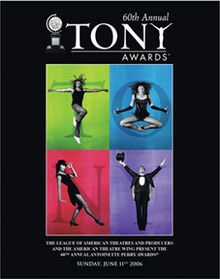 The 60th Annual Tony Awards- In 2006 I checked a huge event off of my bucket list when I attended the 60th annual Tony Awards in person at Radio City Music Hall! Jersey Boys won best musical that year. My friend and I dressed in elegant evening gowns and experienced a once in a lifetime opportunity that we will never forget! Although legendary performers like Chita Rivera, James Earl Jones and Julie Andrews appeared tiny from our mile high seats, we were thrilled to simply be present.
 My story ends with the band geek marrying the captain of the football team (although he played in the orchestra during off season). And we are raising a well rounded little girl who is gaining an appreciation for live theater and live sporting events. So on Sunday, June 9, with an assist from a sophisticated remote and DVR, our family will avoid any interference and have a night choreographed with the seasons greatest singers, dancers and hockey players.




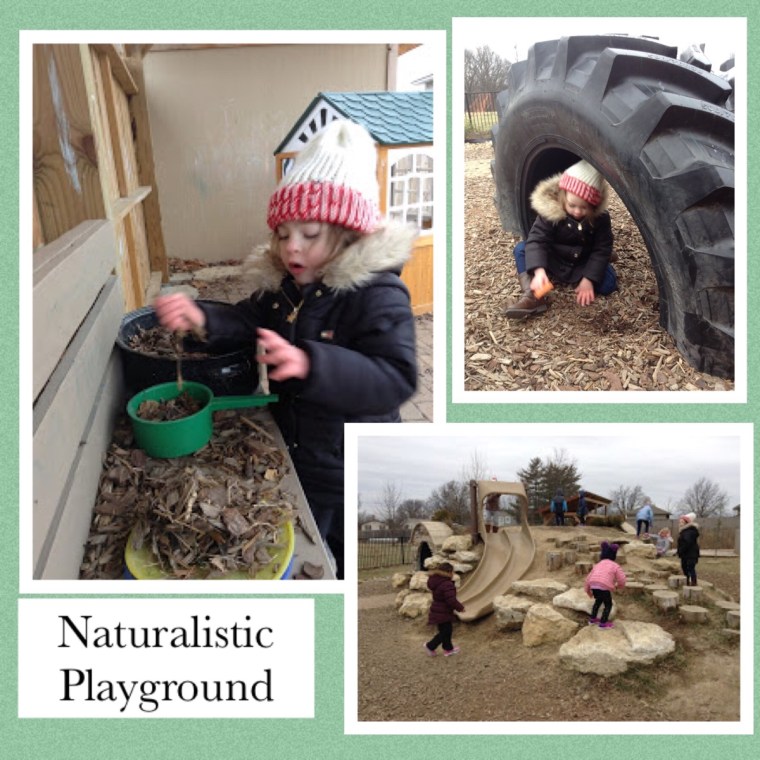 A year later we are extremely pleased with our choice. Our daughter is thriving, making new friends and learning everyday! To aid others I compiled a list for parents and caregivers who are beginning their “preschool search.”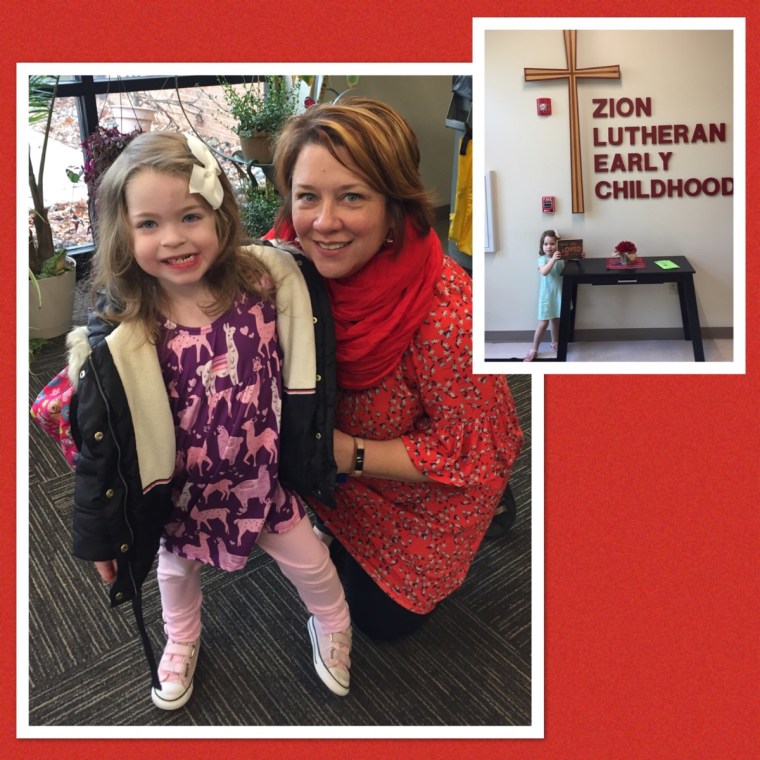

 The Snowman– The book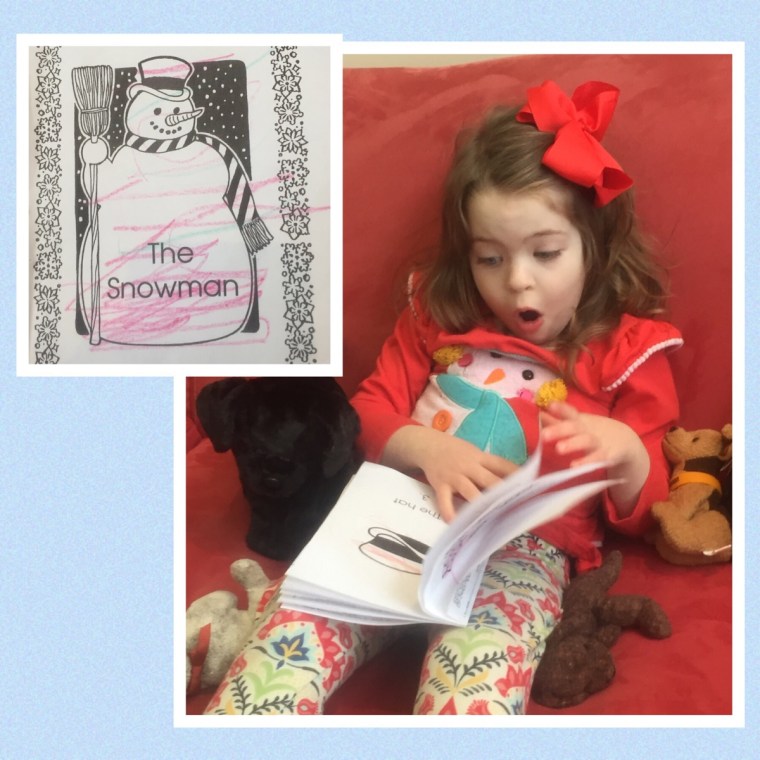


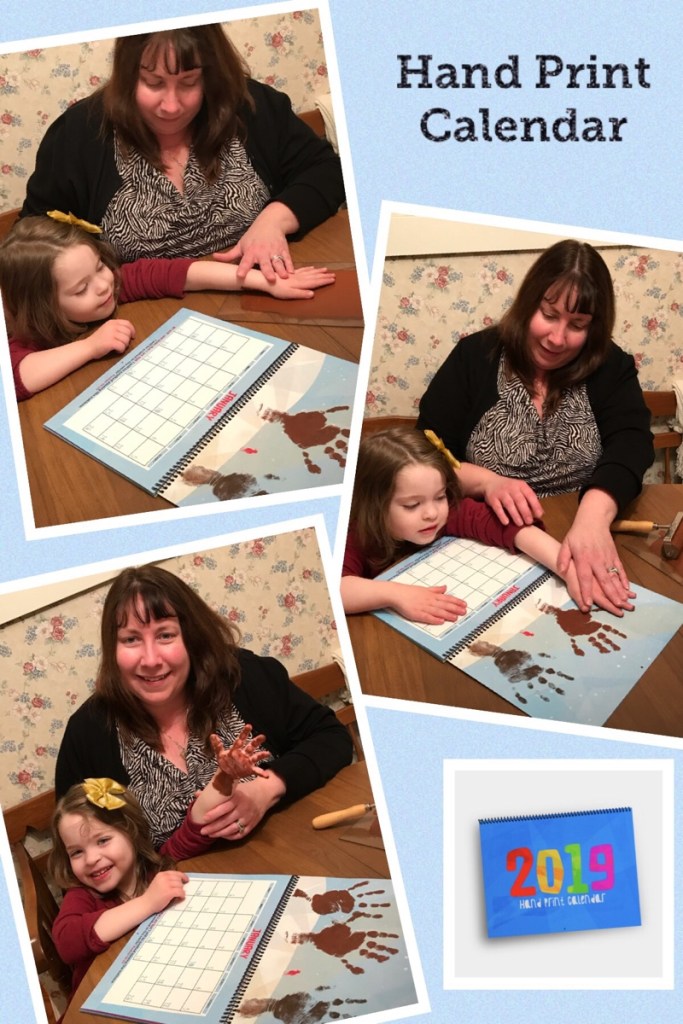
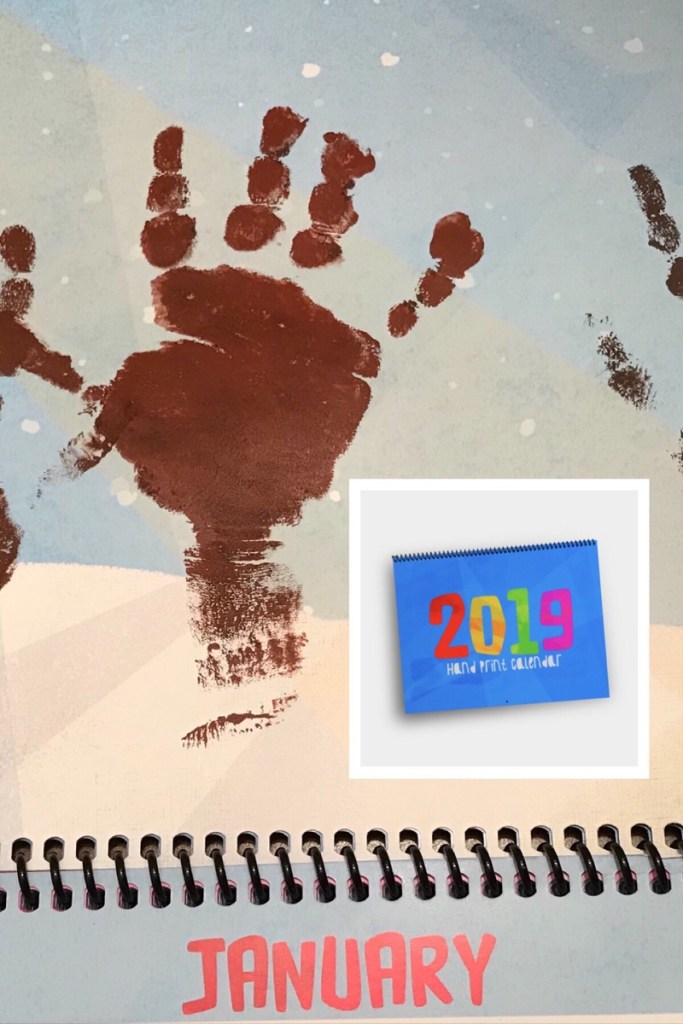 I used acrylic paint that easily washed off of Lillian’s hands. She loved creating the prints and enjoyed putting her hands in the paint. There was plenty of space on the paper for toddler sized hands. Tips and tricks for creating fabulous prints is included at the front of the calendar.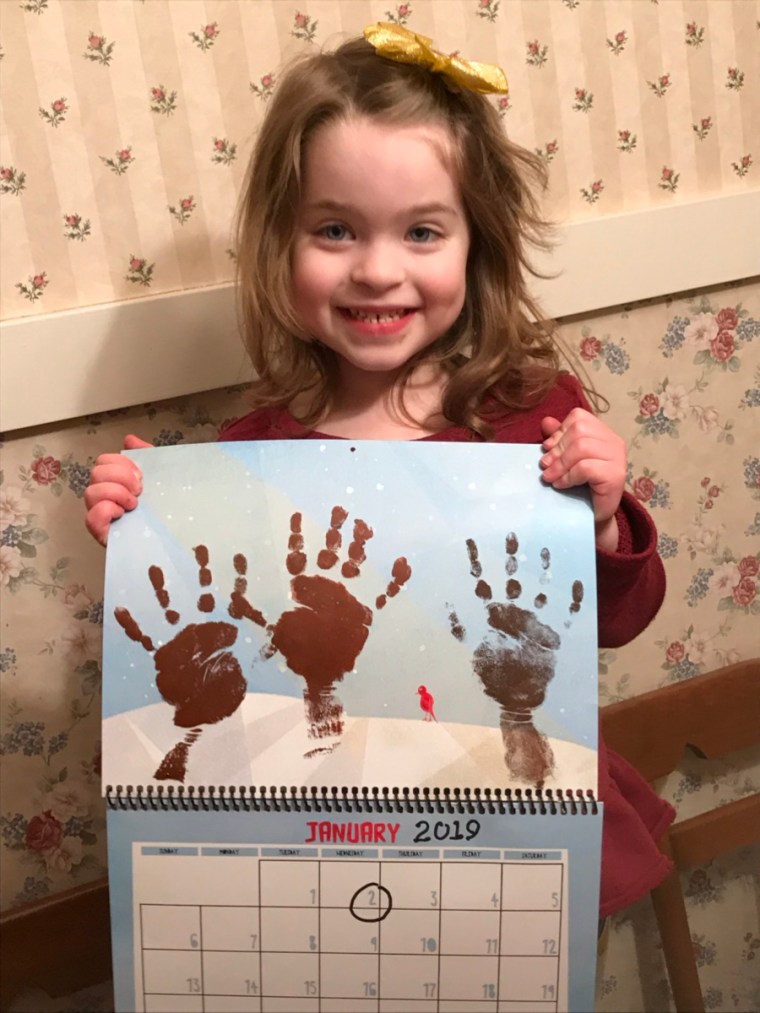

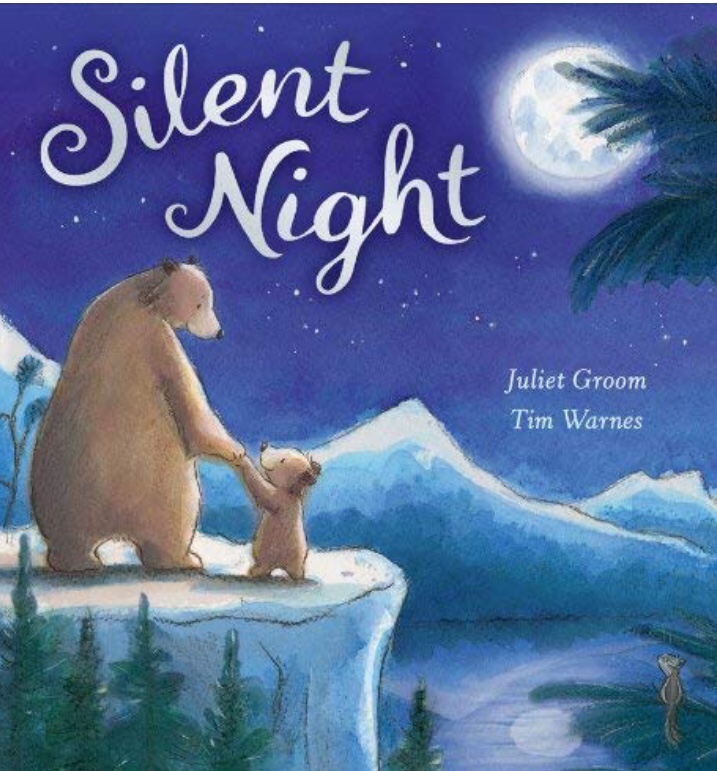
 Lillian and I enjoyed reading this rhyming book based on the song, “Silent Night.” The story features a bear cub and its mother as they walk through the woods on a calm winter’s night. Along their path they encounter animals living in harmony with their natural surroundings while others are deep in their winter slumber. On the last page the mother and cub marvel at the awe-inspiring beauty of a bright star illuminating the night sky. The book is a beautiful story to read with your little one.
 As a musician I get the pleasure of performing the song multiple times every year with the various ensembles I perform in. But the greatest happiness comes when I sing the song at the conclusion of the candlelight service on Christmas Eve at church. It is something I anticipate every year. As the sanctuary’s overhead lights dim, the church illuminates with a warm glow from the small candles carefully held by the congregation. As the light from the candles illuminates my face and the words “Silent night, holy night,” flow freely from my lips, my heart overflows with radiant joy. For the song reminds us all of the greatest gift we will ever receive… Jesus!
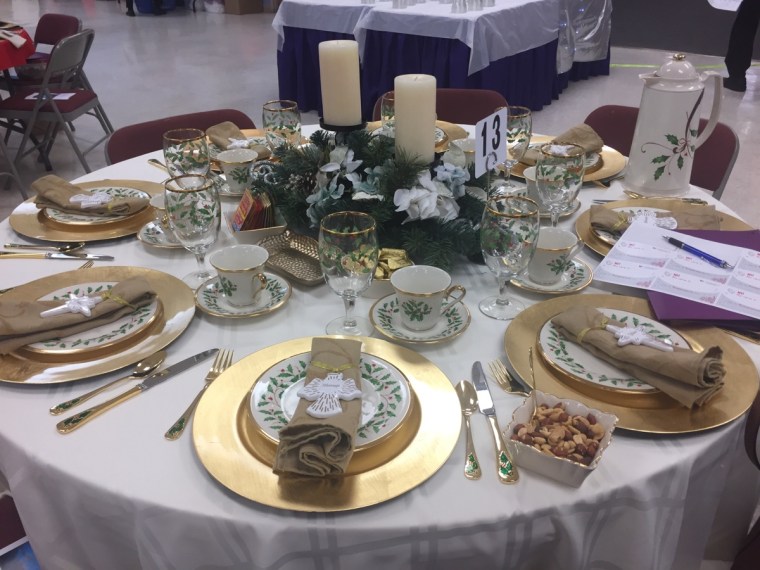
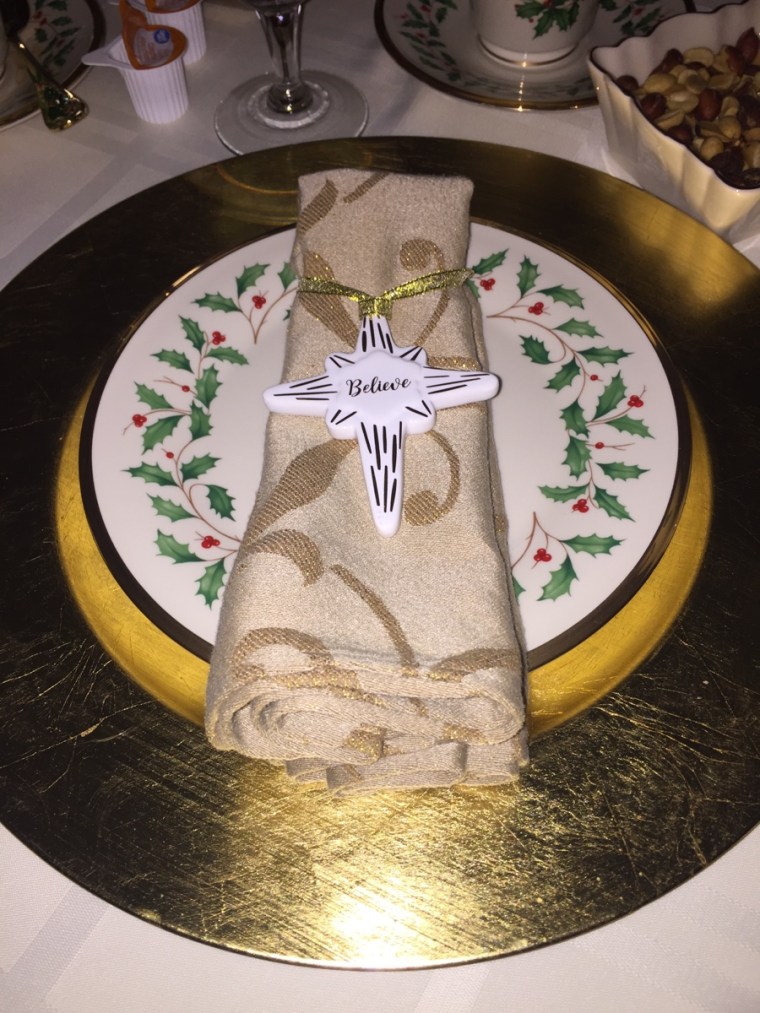
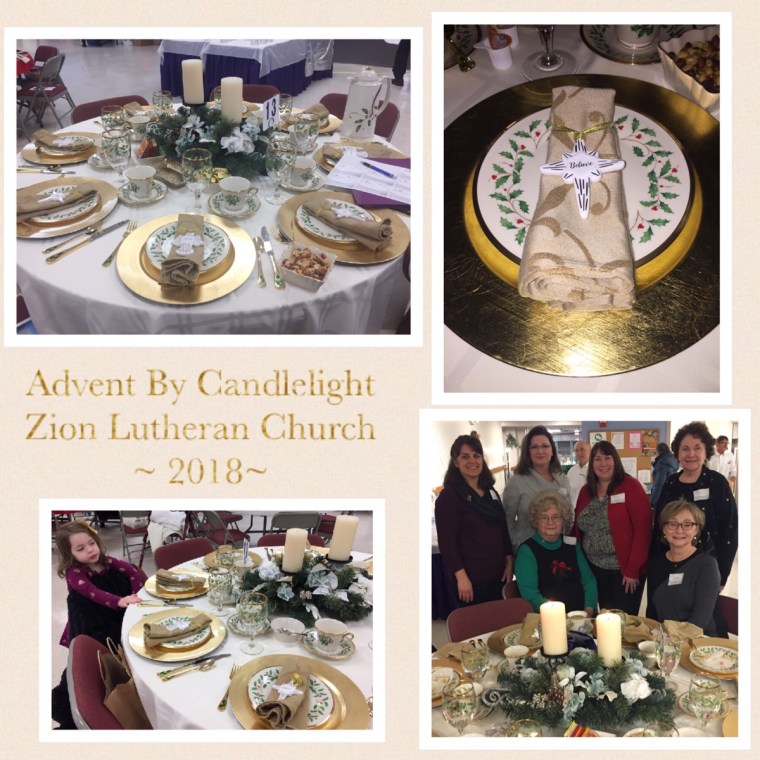 Advent Wreath– Christians all over the world have adopted the tradition of lighting candles during Advent to observe this as the time of the coming of Christ who is the light of the world. One tradition is lighting an Advent wreath at church and at home to mark each Sunday in Advent. This Advent tradition dates back to Germany and the Lutheran Church following the Reformation.
 The Advent wreath we are using in our home was carefully molded out of clay by my daughter’s tiny hands. Plastered with green paint it is adorned with five skinny birthday candles. Mrs. Stanglein helped Lillian craft this Advent wreath in preschool and although simple in design it glows with radiant splendor.
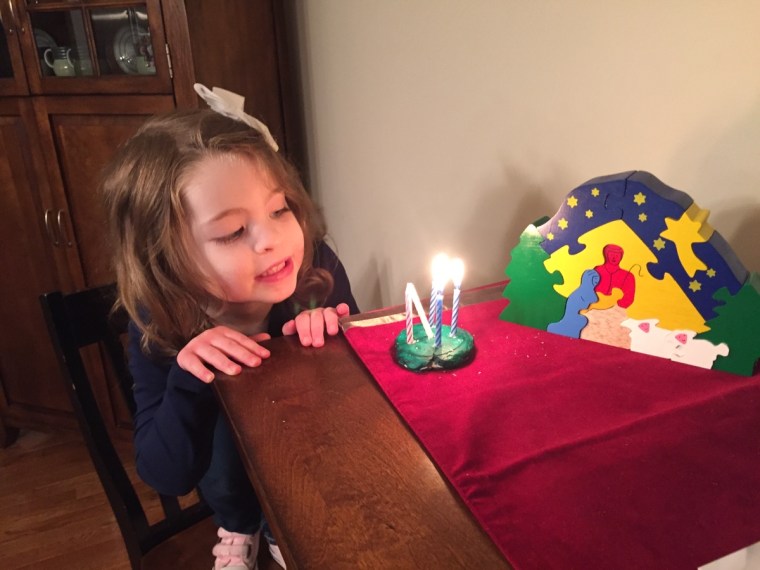 Lillian and her class learned an Advent song to go along with their wreath and they have been singing a new verse every week. We also sing the simple song in church as a new candle on the Advent wreath is lit. Lillian learned the song quickly and she had enjoyed singing it at the top of her lungs every day this month!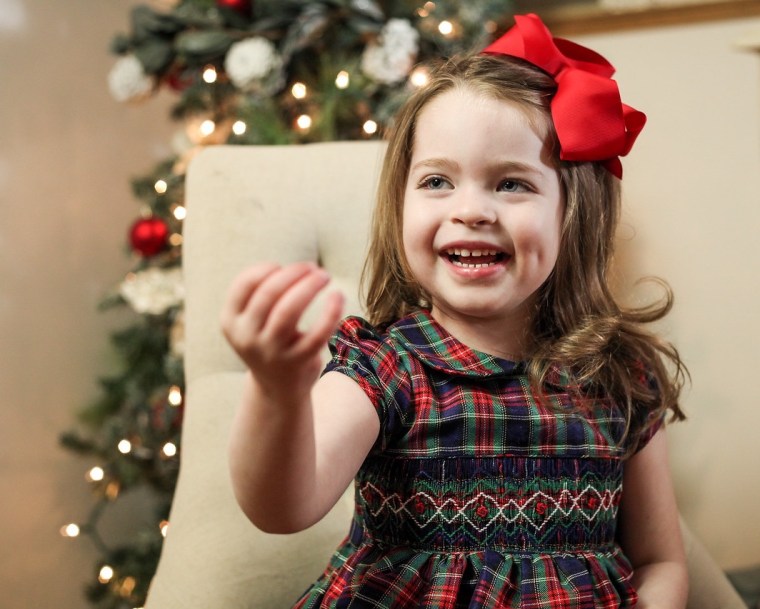


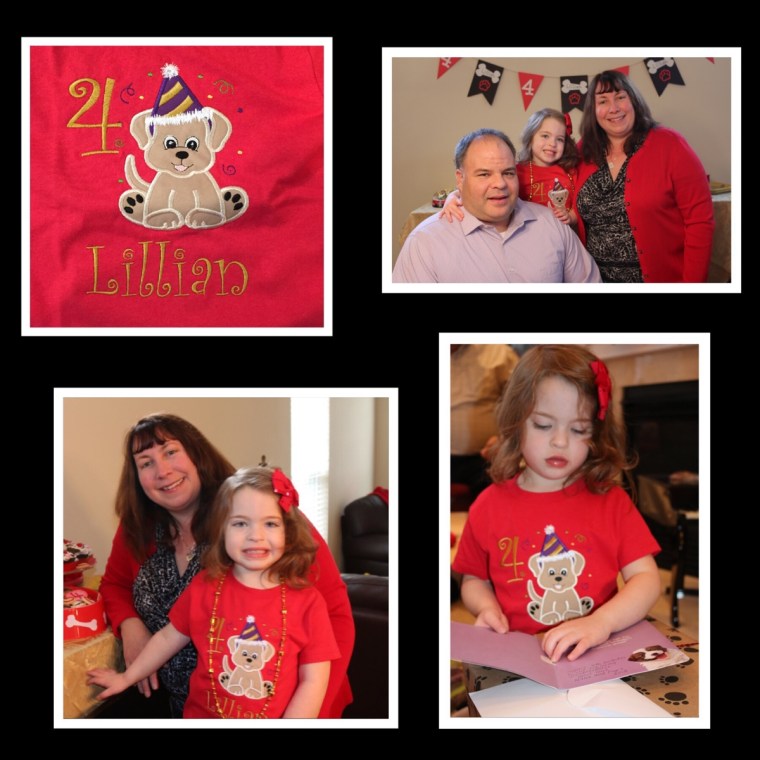
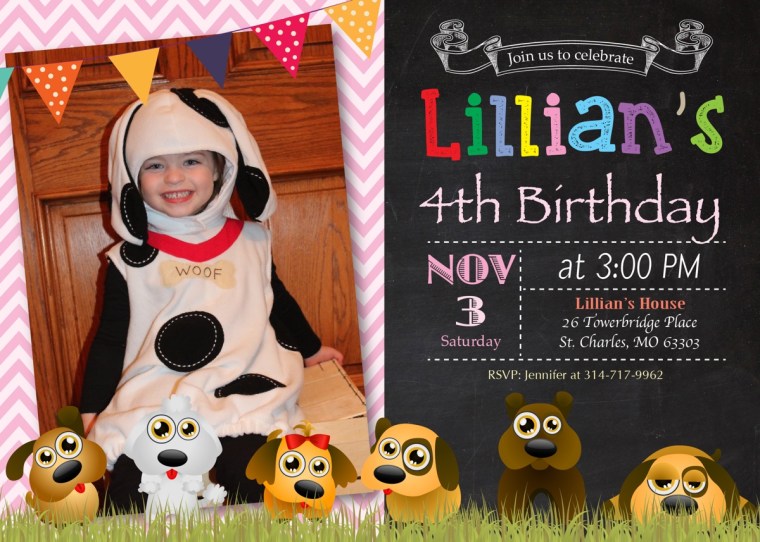 The Invitation- The Birthday girl was a puppy for Halloween so I used a photo of her in costume for the invitation. I always turn to Etsy for help in creating custom invitations and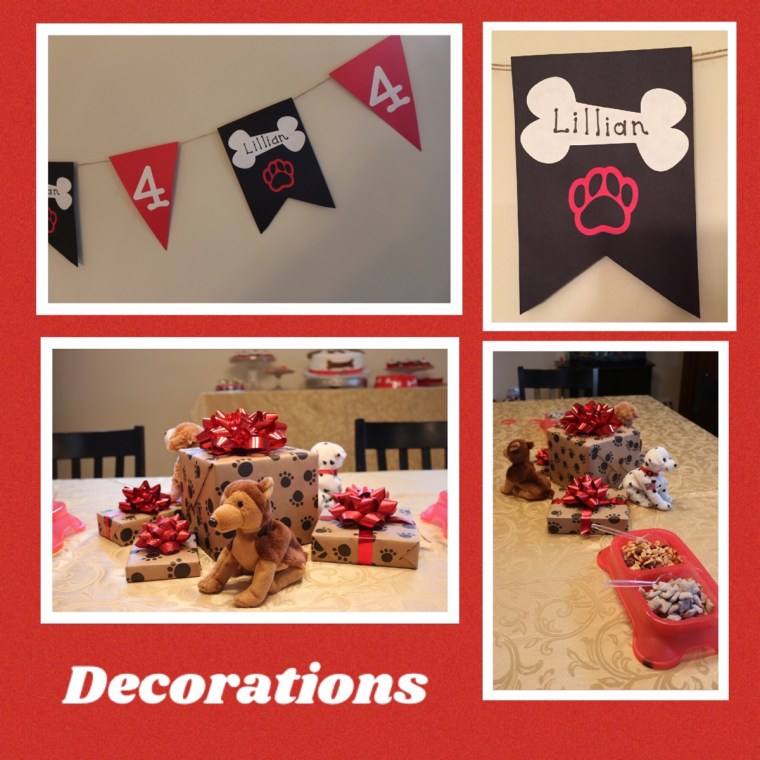
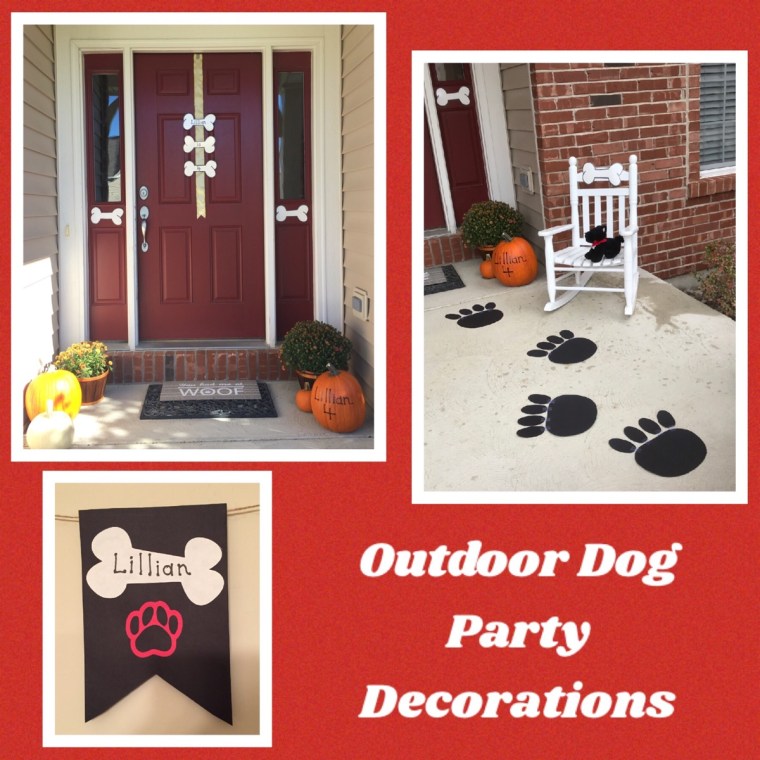
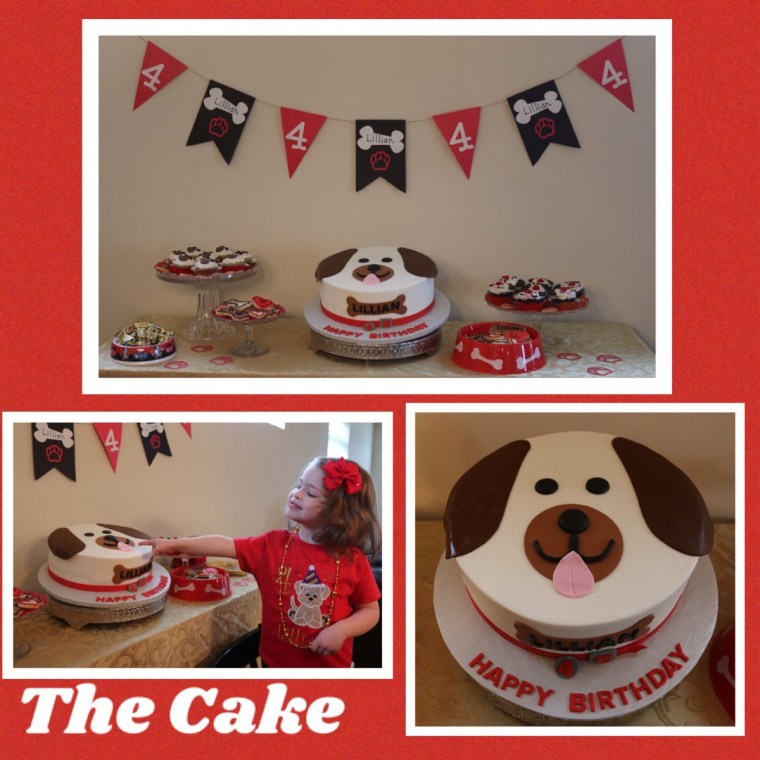
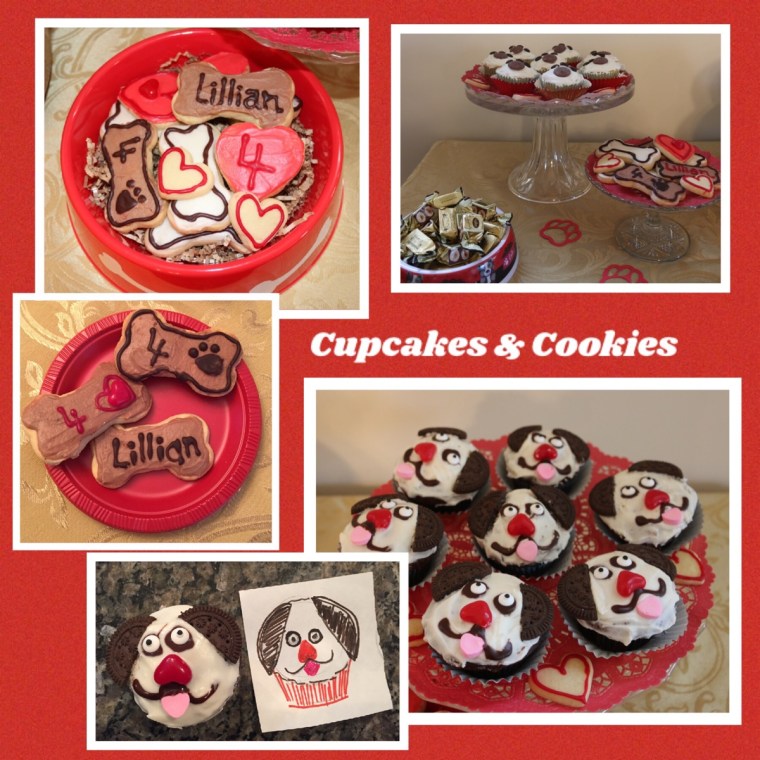
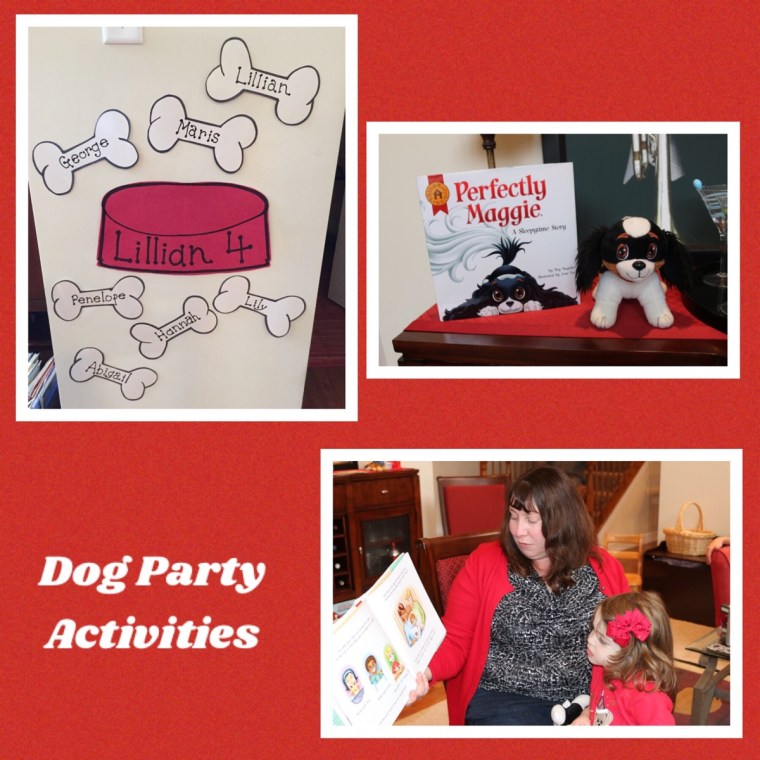
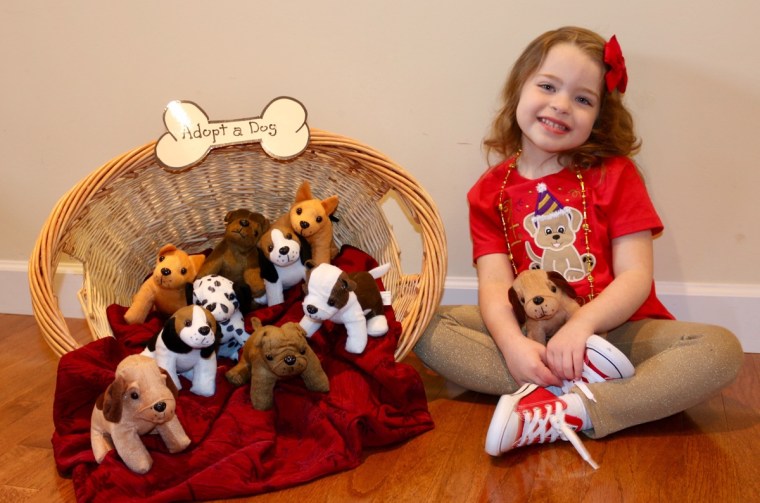 Each party guest got to “adopt a dog” to take home. After selecting a dog the girls went through the dog adoption stations. I purchased the
 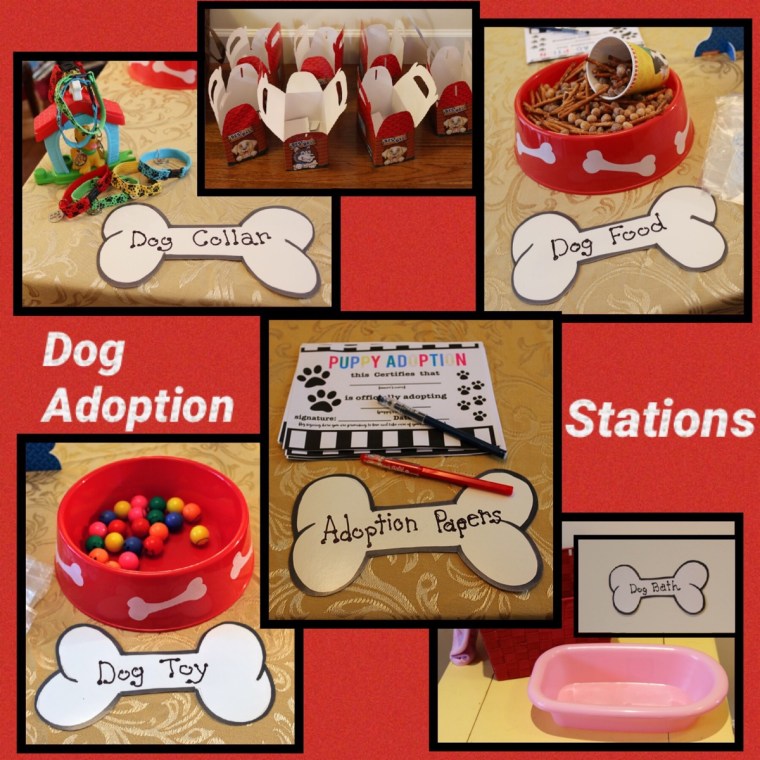 Dog Check Up- The littles gave their pup a medical exam using toy medical tools my daughter had in her toy chest.
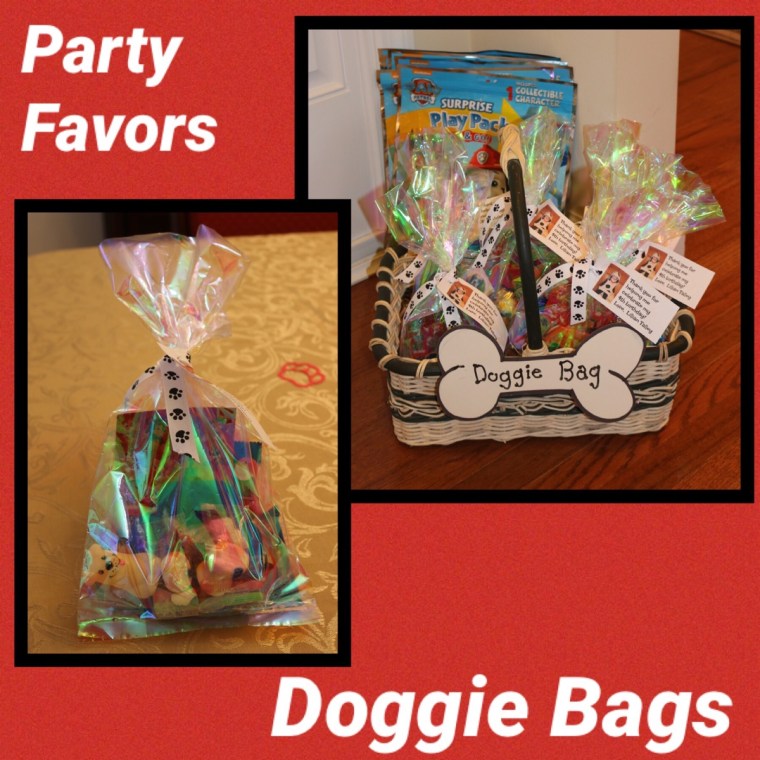 Doggie Bag- Upon leaving, each guest took a “doggie bag” home filled with toys and treats. I purchased
 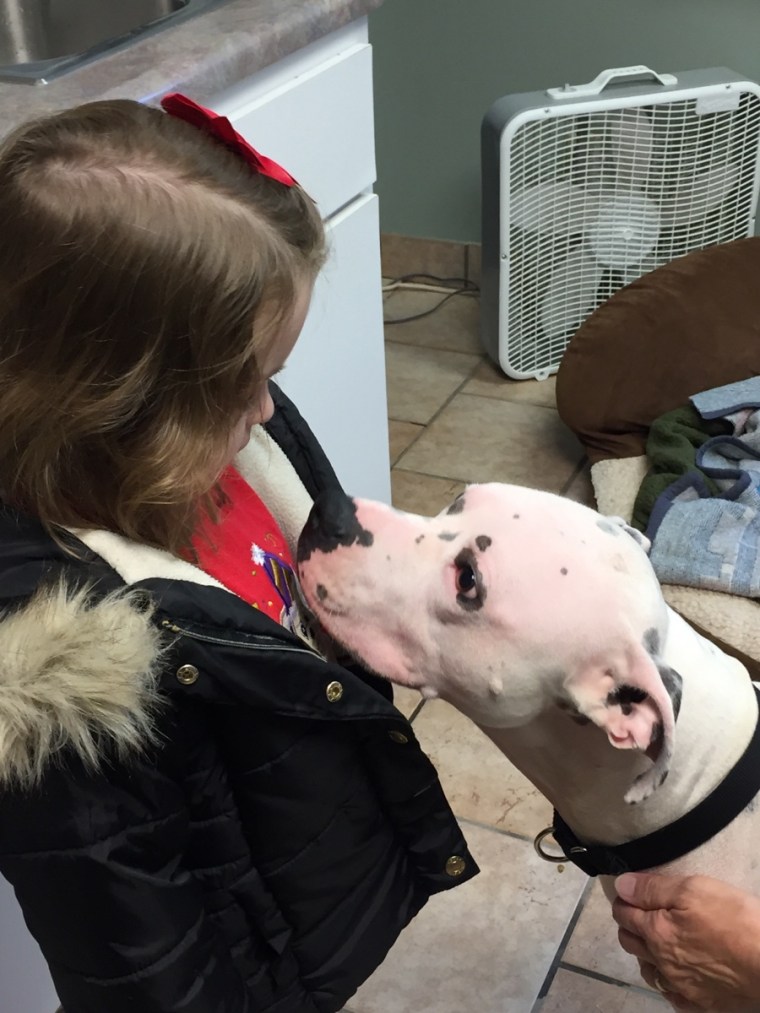 The shelter was thrilled with Lillian’s generosity and gave us a list of shopping suggestions that ranged from office supplies to blankets to dog treats. Lillian had a blast shopping for the dogs and then delivering the items to the shelter. And the best gift was the realization that she doesn’t have to wait until she grows up to help dogs that don’t have homes!

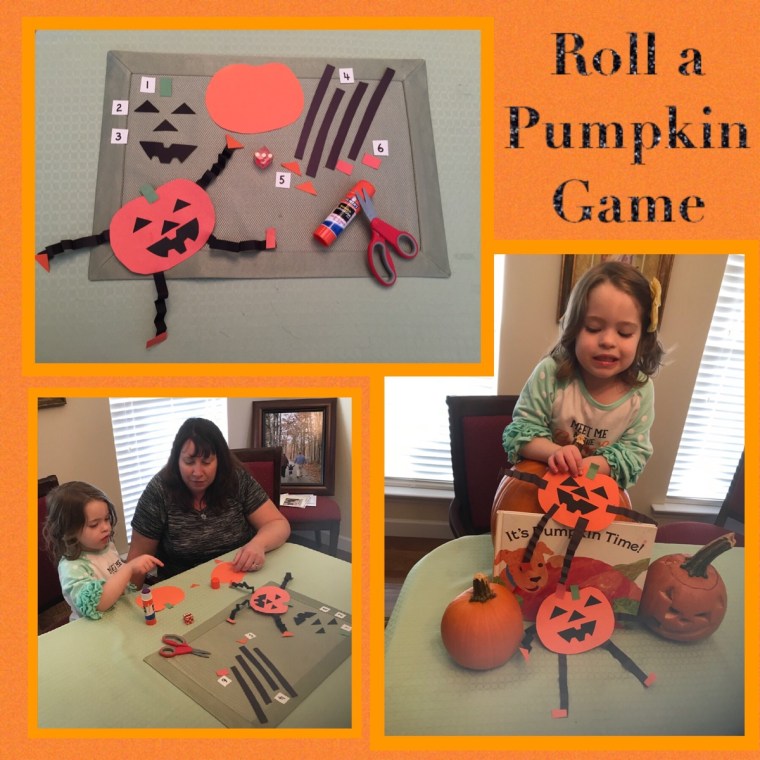 Roll a Pumpkin Game- This game is played like Cooties where you roll the die to build a pumpkin person. Everyone starts with a pumpkin body. With the youngest player going first you take turns rolling the die and building your pumpkin. The first player to build a pumpkin with a stem, eyes, nose, mouth, arms and legs is the winner!
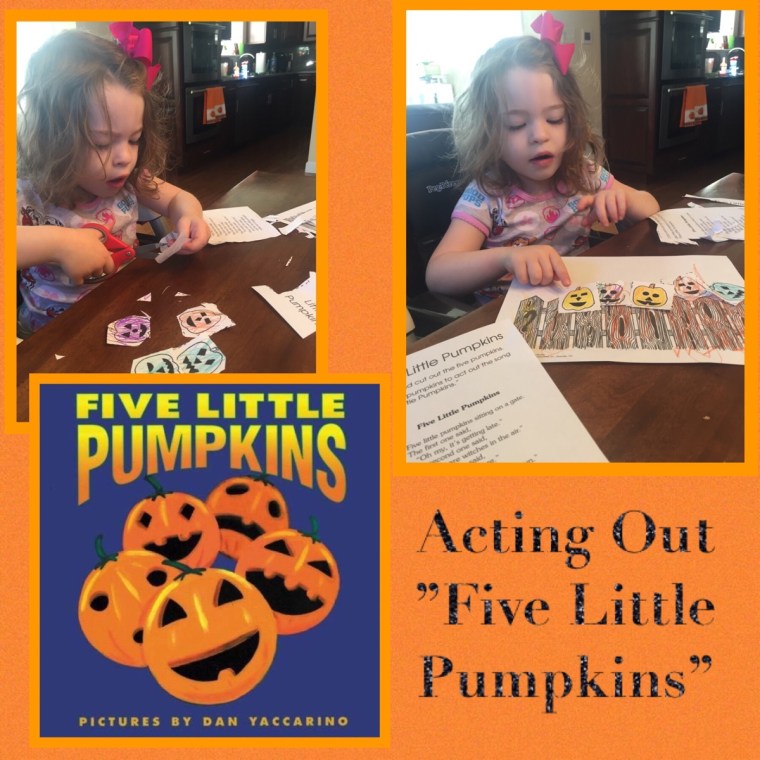 Five Little Pumpkins- We enjoyed singing the classic song, “Five Little Pumpkins” and reading several different versions of the book. Using a fence and pumpkin play set found in my book Student Made Thematic Mini Books: With Extension Activities to Increase Language Literacy, my “Little Pumpkin” and I acted out the song and practiced our counting skills.
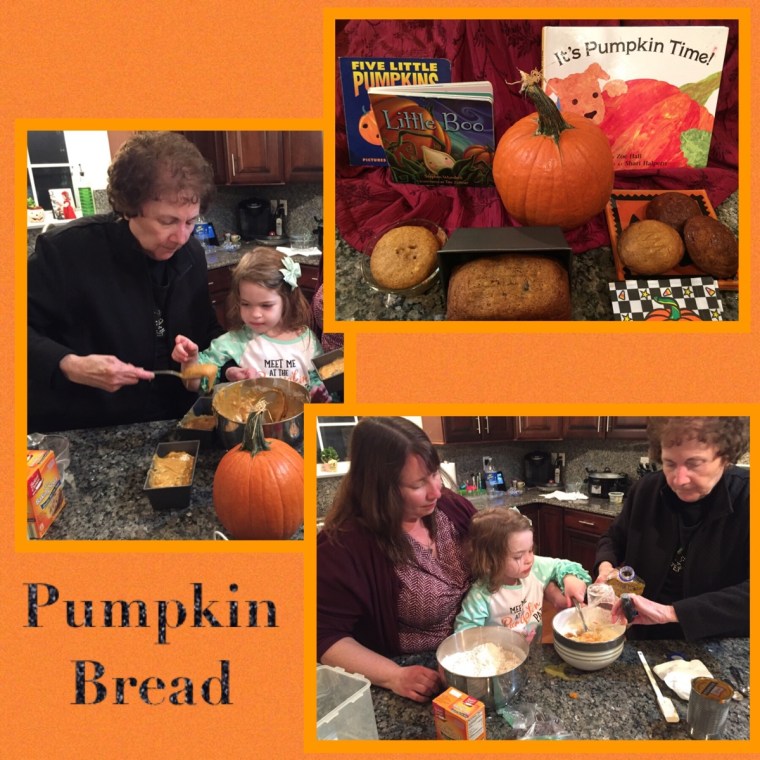 Pumpkin Bread- Nana helped us make yummy pumpkin bread. We added chocolate chips and enjoyed sharing our bread with others. Paired with Trader Joe’s Harvest Blend hot tea, pumpkin spiced coffee, or even pumpkin beer, it makes the perfect fall treat!
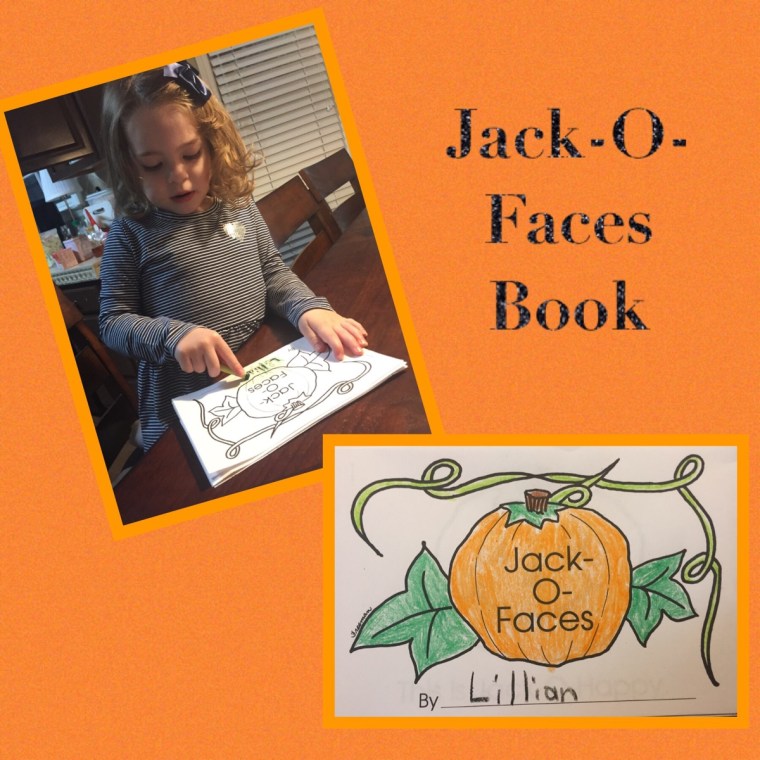 Jack-O-Faces Book- This is another fun rhyme found in my book Student Made Thematic Mini Books: With Extension Activities to Increase Language Literacy. We enjoyed coloring the book together and reading the fun rhyme about a pumpkin who shows us a variety of faces and emotions but ends up in a pumpkin pie! We acted out the story by making the faces along with the pumpkin. Lillian enjoyed looking at herself in the mirror as she made happy, sad, mad and sleepy faces.
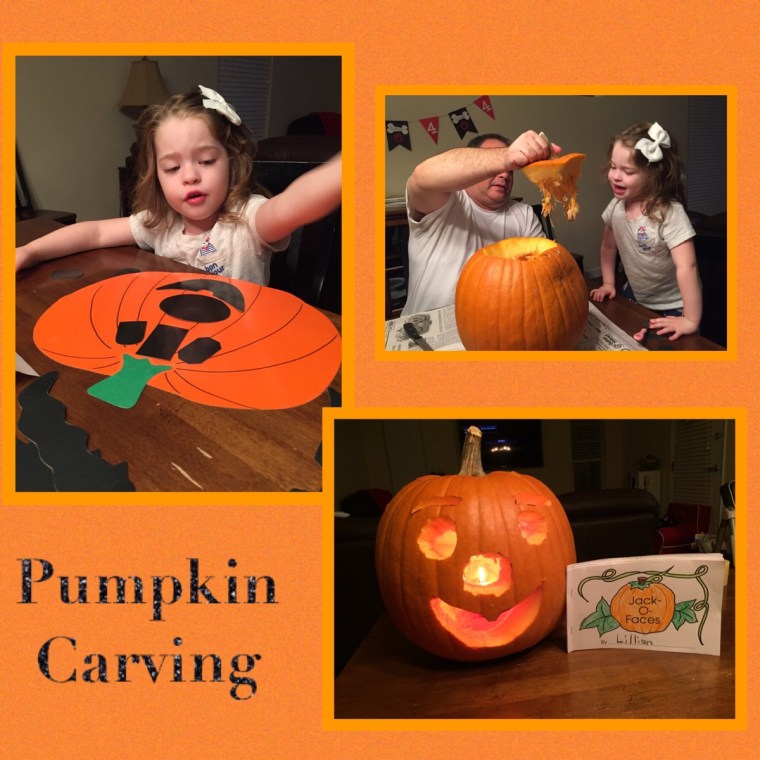 Pumpkin Carving- Daddy helped Lillian carve a Jack-o-Lantern this year. Prior to creating her pumpkin, Lillian planned out her design on a large pumpkin shape. Daddy cut and we all helped clean out the “pumpkin guts,” making sure to save the seeds to roast later. We talked about how the pumpkin smelled, felt and looked. A great way to build vocabulary and to use the five senses.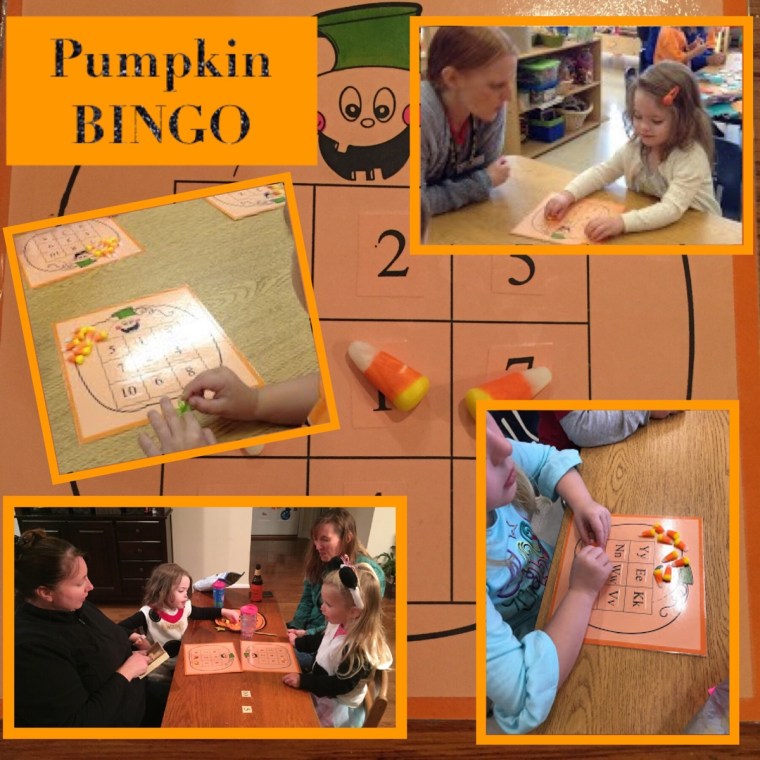
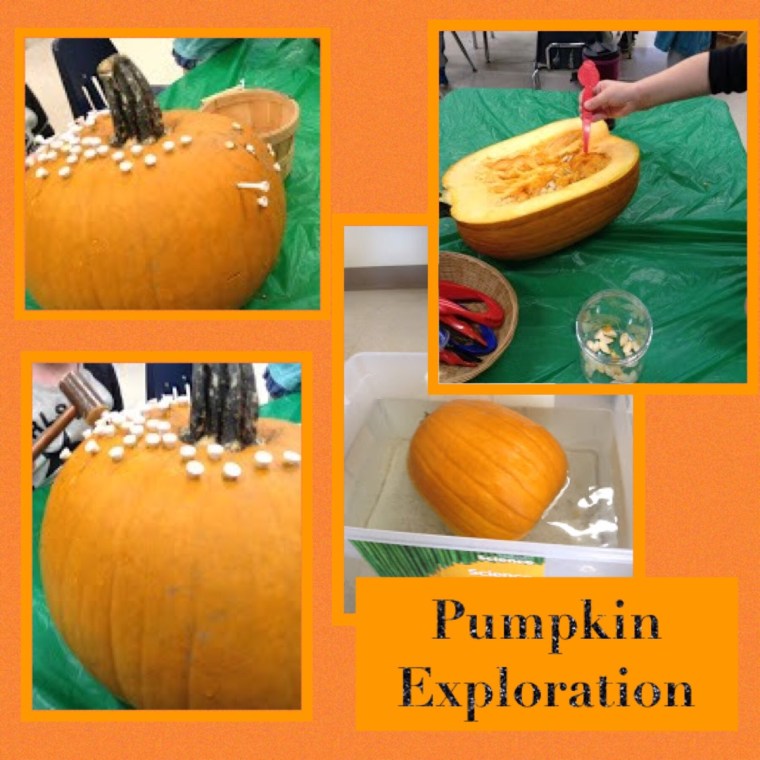 Pumpkin Exploration- Lillian’s preschool teacher incorporated some wonderful pumpkin activities into center-time. An activity new to me was hammering golf tees into a pumpkin to work on fine motor skills. Pulling the golf tees out provided even more motor strength. They also did a pumpkin experiment where they tested a pumpkin to see if it floats or sinks. (It Floats!) Students worked on exploring the inside of a pumpkin, using tweezers to remove the seeds (another great fine motor activity), measured pumpkins, compared pumpkins and recorded their findings in their science journals.
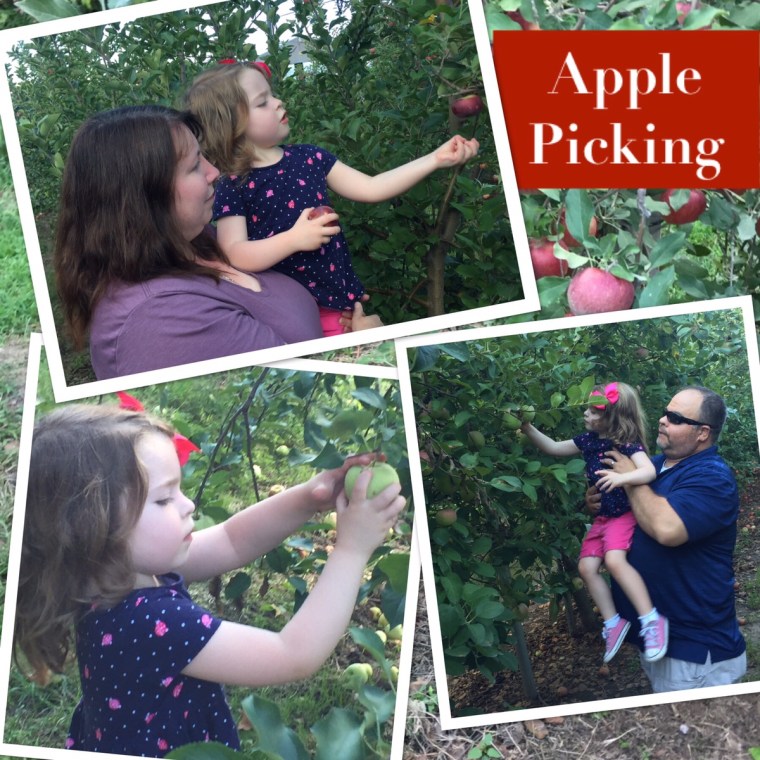 Below are some apple inspired activities I developed for my kindergarten classroom many, many, years ago. I recently dusted them off so I could share them with my three year old.
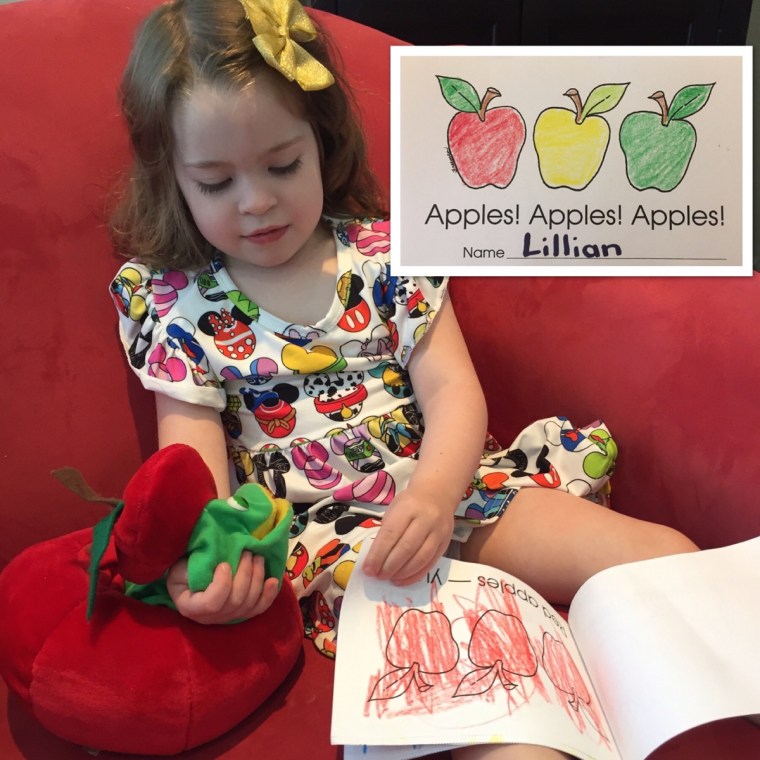 Please click on this link..
  We used Nana Freeman’s adaptation of a Southern Living recipe for the apple muffins and made them into bite sized snacks by using mini muffin tins. Lillian enjoyed sharing the muffins with her teachers and friends.
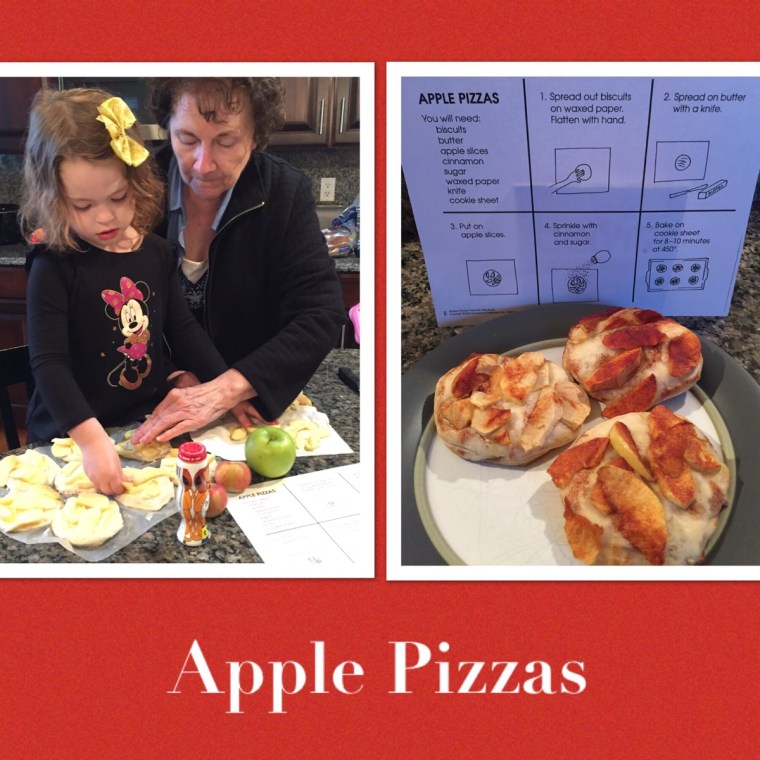 Her favorite treat to make were the apple pizzas, an activity my kindergarten students always enjoyed. The recipe can be found in my book,
 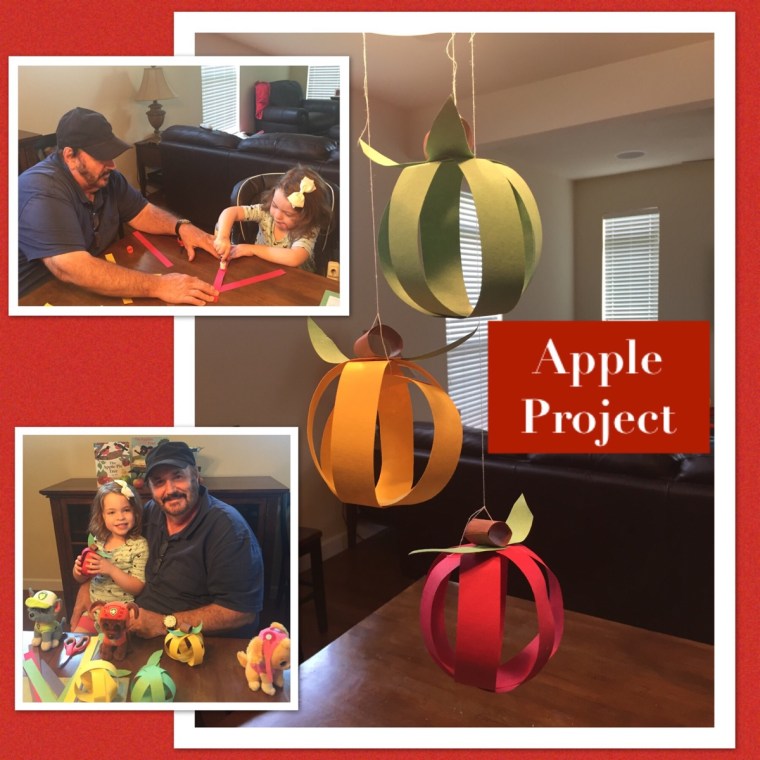 We began by taking two strips and making an X with them and putting a dot of glue or paste in the middle to hold it in place. Then we took a third strip and placed it through the X, creating a star or astrick shape and used a dot of glue to keep it in place. The last step involved matching the strips and gluing them into place. Lillian got lots of practice counting as we counted while pressing the glue into place after each step. We used a brown strip for the stem (1 inch by 4 inch) and cut the leaves out of a 3 x 3 square.
 The dark paper makes a nice contrast with the bright red, green and yellow paint!

